Resources
Browse resources created and collated by ARIIA as a trusted, evidence-based guide to supporting innovation across the aged care sector.
Showing

How to support everyday decision-making for people living with dementia in residential aged care
This booklet from the Dementia Centre for Research Collaboration has been written to help you understand why it is important for you to support people with dementia to make everyday decisions. There are practical examples in this booklet of how to do this.

How to help a person with dementia who has pain
The information in this helpsheet from Dementia Support Australia provides family and community with tips to recognise and understand pain, and includes some ideas that can help.

How to ensure advance care planning documents are available when needed
In this video from the Cognitive Decline Partnership Centre, Dr Dimity Pond talks about the storage of advance care planning documents and how to ensure they are available when needed. (1 min)

How to design dementia-friendly care environments
This help sheet from Dementia Australia outlines the key principles to enable you to make simple changes at home or in a care facility to help make the best of everyday life.

How supporting aids can help
This help sheet from Dementia Australia explains how supportive aids can be used to assist people living with dementia by supporting their independence, reducing the risk of dangerous situations occurring, helping them maintain a sense of well-being and staying at home longer.

How can planning ahead including advance care planning help carers of loved ones with dementia
In this video from the Cognitive Decline Partnership Centre, carers discuss talking with your partner and loved ones to make advance care plans for dementia and cognitive decline, the importance of conversations and knowing the person’s preferences for future lifestyle, care, health and financial decisions. (3 min)

Home care for people living with dementia
"If you are thinking about home care for yourself or for someone you care for who has dementia, this help sheet may be useful". This resource is from Dementia Australia.
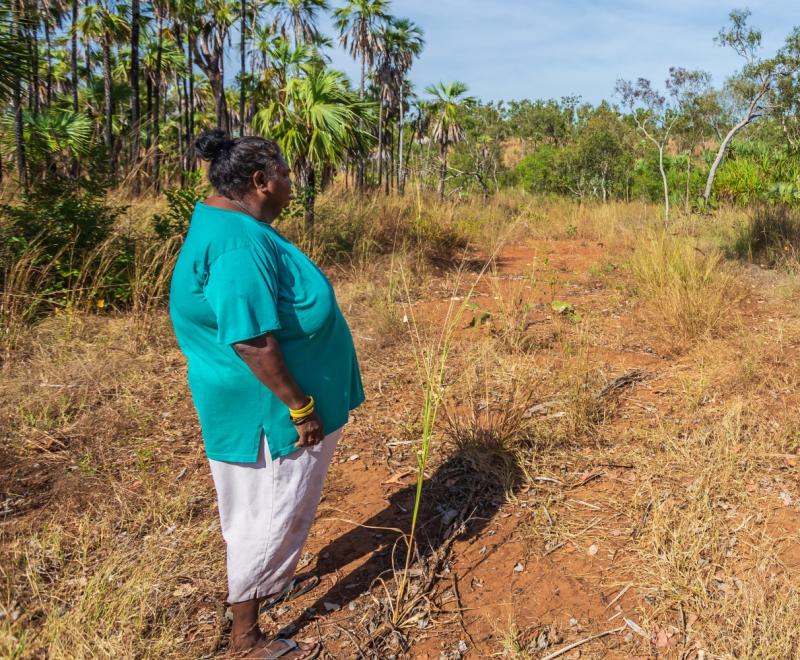
Helping your family member with dementia move into residential aged care
This helpsheet from Dementia Support Australia provides ideas to help your First Nations family member feel more at home in aged care and keep connection with family, community and country.
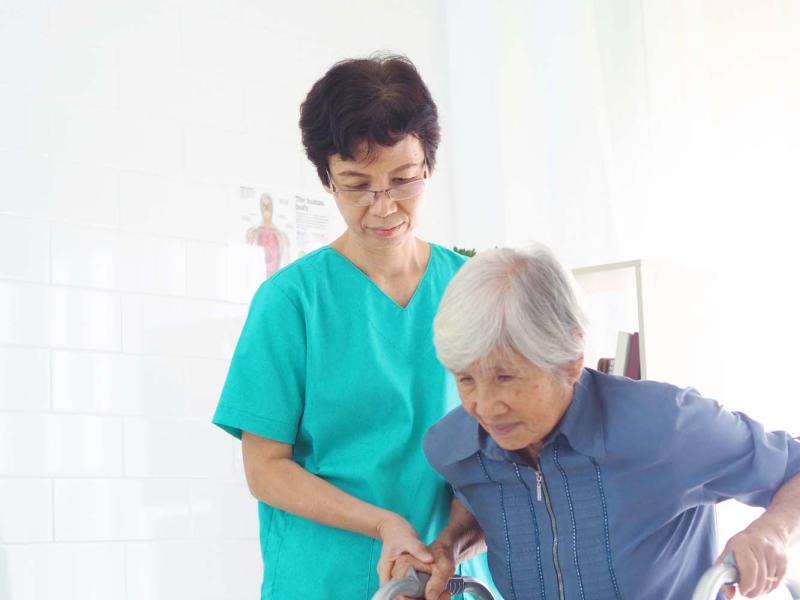
Guiding occupational therapy practice for people living with dementia in the community
This guide from Dementia Training Australia aims to further enhance occupational therapy clinical practice provided to people living with dementia and their care partners.

Guidelines for diagnosis and care of Aboriginal People with dementia in remote communities
These guidelines from the Western Australia Centre for Health and Ageing have been provided to ensure that people with dementia who live in remote communities are correctly diagnosed and receive the services that they, and their families, require.