Resources
Browse resources created and collated by ARIIA as a trusted, evidence-based guide to supporting innovation across the aged care sector.
Showing
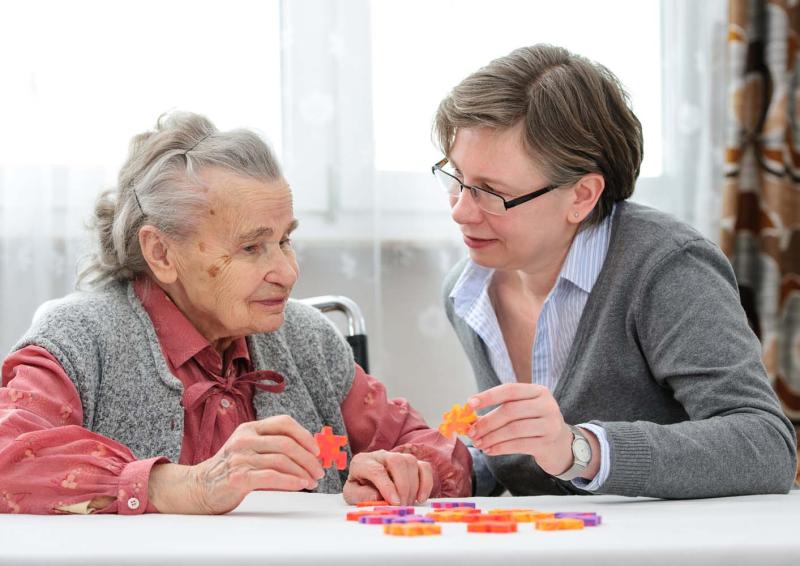
Dementia practice webinar recording: Making a difference in dementia care
This webinar from Dementia Australia discusses challenges in providing care for people living with dementia and the experiences in managing the care for the older people from the perspectives of various providers. (1 h 33 m)

Dementia practice webinar series: Enhancing communication in dementia support
This webinar from Dementia Australia discusses communication challenges and practical strategies to communicate effectively with people living with dementia. (1 h)

National dementia action plan 2023-2033
This report from Audiology Australia discusses the group's response to National Dementia Action Plan 2023-2033 and lists the recommendations set by the group.

Half the Story: A guide for meaningful consultation with people impacted by dementia
‘You cannot feel what it is like inside our minds. Without us, you only have half the story.’ Kaele Stokes from Dementia Australia describes a new free resource ‘Half the Story’ aimed at helping organisations engage in meaningful consultation with people living with dementia, their families and carers.

Dementia toolkit
The ELDAC dementia toolkit provides evidence-based information, guidance, and a range of resources to support health professionals and aged care staff in palliative care and advance care planning for people living with dementia and their families. It is structured around two main sections: clinical care and education and learning.

Web-based Australian iSupport for Dementia program: Traditional Chinese (澳大利亞失智症照顧者在线支持: 繁體中文)
This resource, funded by the National Foundation of Australia-China Relations, is a web-based education and skill training program for informal carers of people living with dementia in community care settings. It is a cultural adaptation of the World Health Organization iSupport program for Chinese-Australians.

Web-based Australian iSupport for Dementia program: Simplified Chinese (澳大利亚失智症照顾者在线支持: 简体中文)
This resource, funded by the National Foundation of Australia-China Relations, is a web-based education and skill training program for informal carers of people living with dementia in community care settings. It is a cultural adaptation of the World Health Organization iSupport program for Chinese-Australians.

澳大利亞失智症照顧者培訓和支援手冊: 繁體中文版 (Traditional Chinese version of Australian iSupport for dementia program. Training and support manual for carers of people with dementia.)
A culturally adapted, traditional Chinese language version of the Chinese iSupport psychoeducation program published by Flinders University. This training and support manual targets the learning needs of Chinese-Australian informal carers providing home-based care to people with dementia.
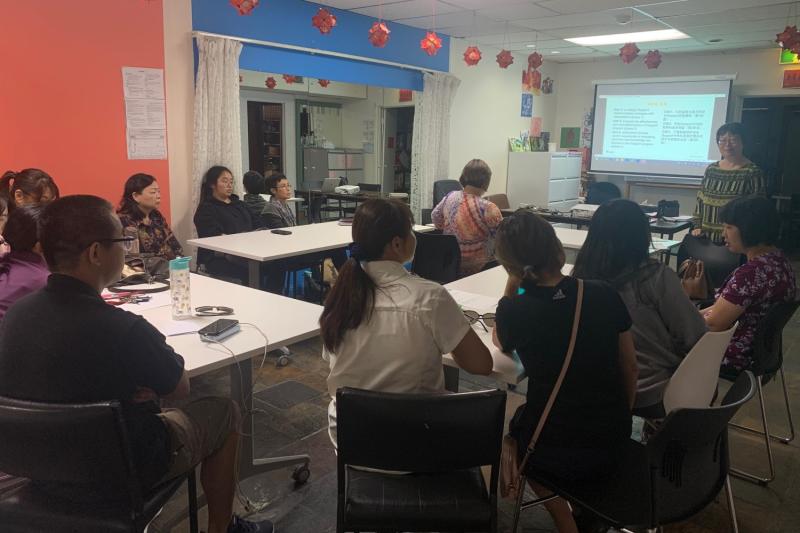
澳大利亚失智症照顾者培训和支持手册: 简体中文版 (Simplified Chinese version of Australian iSupport for Dementia program. Training and support manual for carers of people with dementia.)
A culturally adapted, simplified Chinese language version of the Chinese iSupport psychoeducation program published by Flinders University. This training and support manual targets the learning needs of Chinese-Australian informal carers providing home-based care to people with dementia.
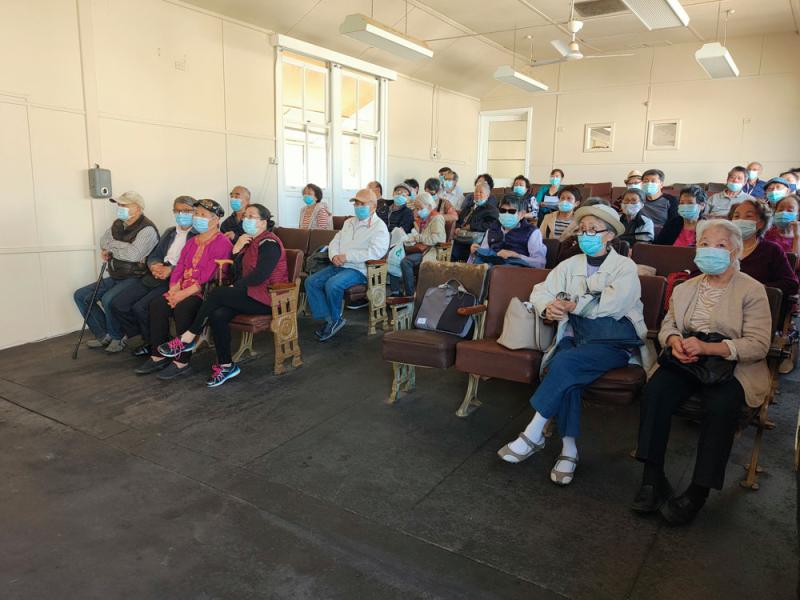
The Chinese iSupport program: Engaging Australia’s diverse communities in best practice in dementia care
Chinese-Australian informal carers play a crucial role in maintaining people with dementia at home for as long as possible, but they face challenges in accessing dementia care education programs. Professor Lily Xiao of Flinders University describes the Chinese iSupport program and its freely accessible resources now available to support Chinese-Australian home-based carers.