Resources
Browse resources created and collated by ARIIA as a trusted, evidence-based guide to supporting innovation across the aged care sector.
Showing

Rehabilitation, reablement and restorative care: Transition care
Ideally transition care services would incorporate multidisciplinary care teams, proactively support those at risk of delayed discharge, consider individuals with cognitive impairment, and involve family carers. This resource from ARIIA is a short easy-to-read summary of the research evidence.
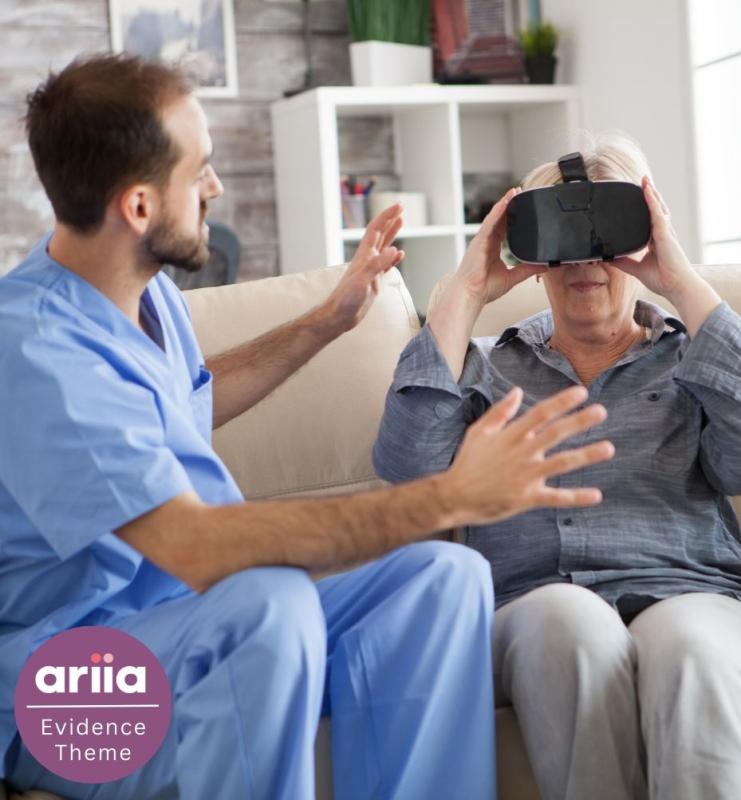
Rehabilitation, reablement and restorative care: Technology
A range of technologies are used in aged care settings for restorative purposes. These include eHealth, exergames, virtual reality, telehealth, and smart homes with home health monitoring technologies. This resource from ARIIA is a short easy-to-read summary of the research evidence.
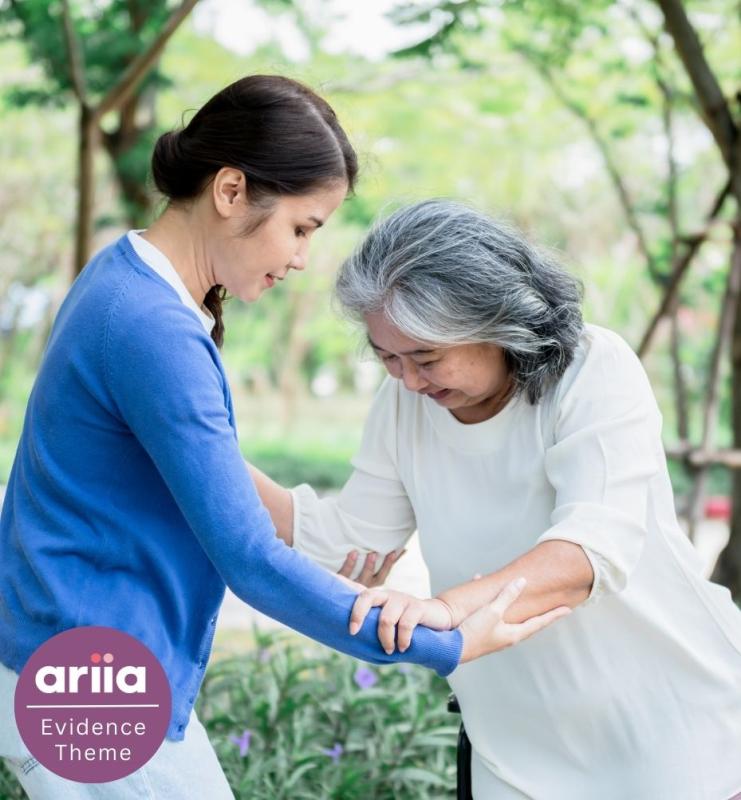
Rehabilitation, reablement and restorative care: Stroke
A high number of stroke survivors live in residential aged care facilities. They often suffer functional impairments following more severe strokes which prevents them from living independently in their own homes. This resource from ARIIA is a short easy-to-read summary of the research evidence.

Rehabilitation, reablement and restorative care: Physical activity
There is conclusive evidence that physical activity is an important aspect of older people’s lives. This resource from ARIIA is a short easy-to-read summary of the research evidence.

Rehabilitation, reablement and restorative care: Multidisciplinary approach
Evidence suggests a multidisciplinary approach to rehabilitation tailored to the individual and based at home can improve independent activities of daily living and mobility for aged care users. This resource from ARIIA is a short easy-to-read summary of the research evidence.
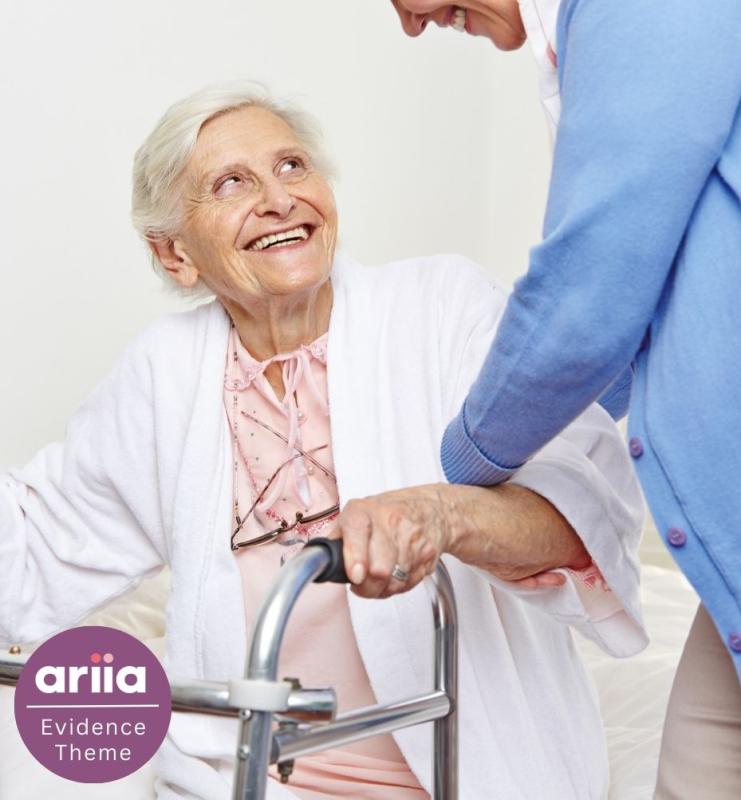
Rehabilitation, reablement and restorative care: Hip fracture
Intensive rehabilitation involving daily physiotherapy and occupational therapy can improve mobility, function, and cognitive outcomes for community-dwelling older adults after a hip fracture. This resource from ARIIA is a short easy-to-read summary of the research evidence.

Rehabilitation, reablement and restorative care: Functional independence
As people age, they often experience a decline in functional independence. This can result in difficulty performing the daily activities required to live independently. This resource from ARIIA is a short easy-to-read summary of the research evidence.
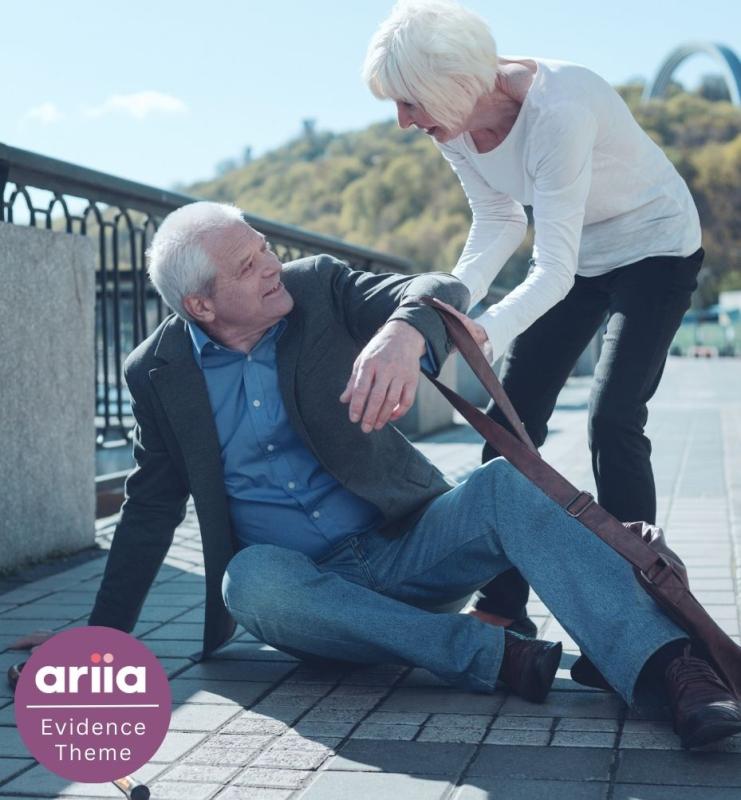
Rehabilitation, reablement and restorative care: Falls
Preventing or reducing the incidence of falls amongst older people is complex. There is no one size fits all program that can effectively prevent or reduce falls, especially in high-risk populations such as older people. This resource from ARIIA is a short easy-to-read summary of the research evidence.
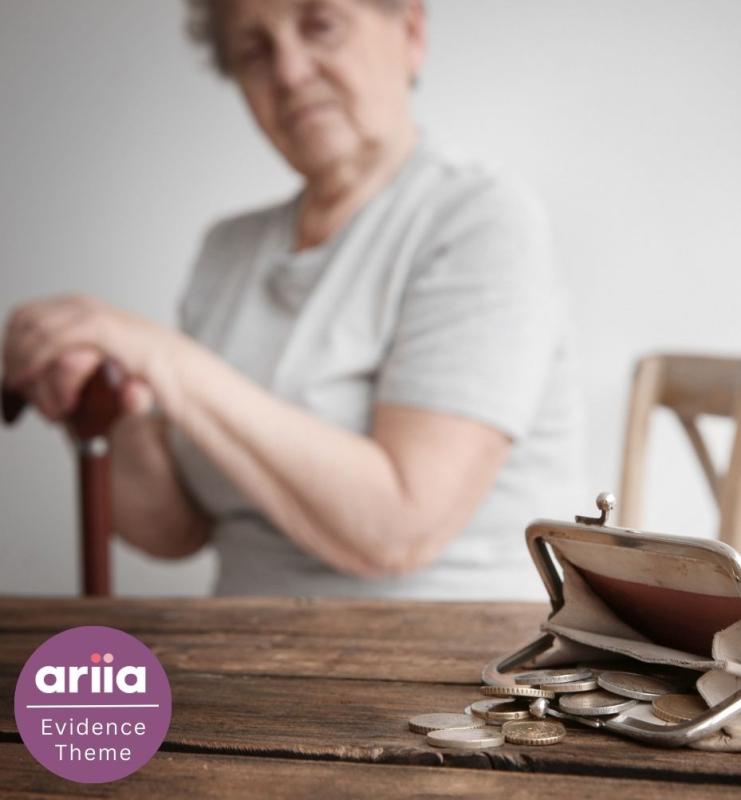
Rehabilitation, reablement and restorative care: Economic evaluation
Rehabilitation, reablement, and restorative care interventions can be cost-effective, as they aim to reduce hospital length of stay and prevent early admission to residential aged care. This resource from ARIIA is a short easy-to-read summary of the research evidence.

Rehabilitation, reablement and restorative care: Cognitive rehabilitation
Cognitive rehabilitation is thought to improve the capacity of older persons living with dementia to perform activities of daily living. This resource from ARIIA is a short easy-to-read summary of the research evidence.