Key points
- Reminiscence approaches can be used with older people to help them recall events and people from their past to affirm their self-identity and find pleasure in remembering their personal achievements. These approaches might also be used to foster acceptance of a current situation and help individuals regain a sense of meaning in life.
- Reminiscence approaches range from simple and spontaneous reminiscence activities to structured approaches such as 'life review' and its highly psychotherapeutic version, 'life review therapy'.
- Reminiscence activities may reduce depressive symptoms when conducted in individual or group settings. The impact of reminiscence on anxiety is less certain. Programs combining reminiscence with music therapy appear to be especially beneficial for reducing depression and may also reduce anxiety.
- Life story work results in a documented record of the person’s life story. More research is needed to determine how this approach may impact mental health outcomes. However, the approach may help aged care staff better understand those they care for, and their unique history and identity.
- Life review therapy can be effective in reducing depressive symptoms and may continue to foster a sense of life satisfaction and psychological wellbeing over a period of years.
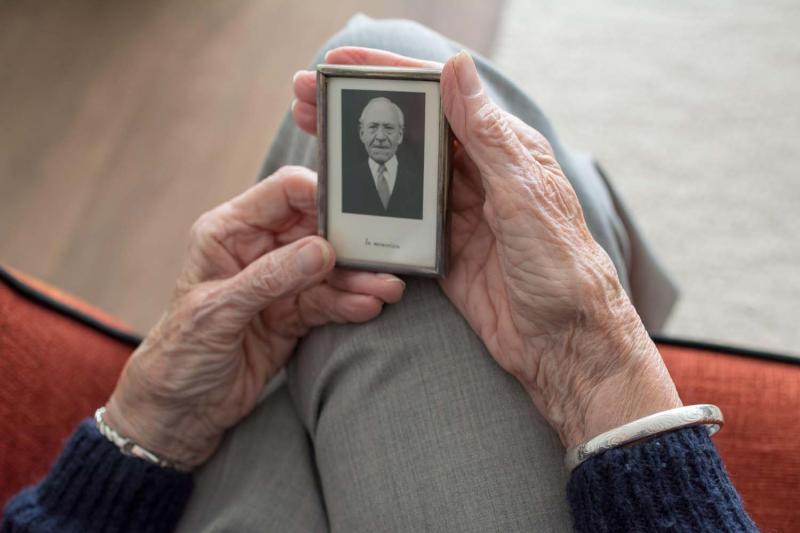
Reminiscence approaches can be used in aged care facilities and with home care recipients to promote the memory and communication of past events and personal relationships, as well as the emotions they created. [1] By reflecting on past experiences and personal achievements, older people experiencing feelings of loss or depression, particularly after moving into a residential care facility, may find greater acceptance of their current situation and regain a sense of personal identity and meaning in life. [1] For people with psychological distress, highly structured reminiscence approaches involving a skilled counsellor can be used as a form of psychotherapy. [1] Less structured group sessions, where people simply share past experiences that were significant to them, can be used as a tool for increasing social interaction. These sessions may contribute to wellbeing by reducing loneliness and helping people build relationships. [2] The autobiographical stories told at these sessions do not have to be accurate recounts of the person’s past. Facilitators might, however, try to understand what the recalled event or relationship meant to the person and its significance to them at this stage in the person’s life course. [3]
Three forms of reminiscence approaches can be applied within an aged care setting: simple reminiscence, life review (including life story work), and life review therapy. [4]
Simple reminiscence
Simple reminiscence is an unstructured activity that involves an older person discussing his or her memories with another individual or in a group. The main goal of this activity might be to enhance positive feelings or, when used as part of an intergenerational program, foster bonding between older and younger people. [5] A skilled facilitator may help elicit these memories or the session might include stimulating triggers such as photographs, songs from the past, smells, newspaper articles, and videos. [6] Reminiscence programs have shown they can improve an older person’s cognitive and social skills [6] and enhance positive feelings of wellbeing. [2]
Life review and life story work
Life review is a more structured reminiscence approach. It aims to cover the person’s full life span and may be most appropriate for older people with more serious psychological problems needing resolution. [1] In life review, a skilled counsellor works with an individual to reveal and analyse forgotten experiences, both negative and positive, that have shaped the person’s life. [7] Appraising past experiences might help the person make sense of what is happening in the present, such as conflict with family members [8] or losses associated with moving into residential care. The end goal of this therapy should be to help the person accept life as meaningful, to develop coping strategies, and to reinforce a positive personal identity. [1]
Life story work, frequently used with people living with dementia, also invites people to share their life history and personally significant experiences. However, this information may be captured in a durable format such as a written book, an album of photos, a collage, or in digital format. [3] Aged care staff might then use this information to plan activities tailored to the individual’s interests or develop a care plan that accounts for a person’s life story. [3] Tangible life story objects may also foster more person-centred care. In a recent study, residential aged care staff who watched short digital life stories of individual residents demonstrated better knowledge and understanding of those people. [9] Digital life story activities and their products are also associated with improved mood, memory, quality of relationships, and social connectedness. [10]
Life review therapy
Life review therapy, which occurs in a psychotherapeutic setting with a trained counsellor, can be used to treat older people with major depression or anxiety. [4] This form of therapy uses reminiscence to help people who may feel dissatisfied or bitter about themselves and their current life to create a more positive self-identity. [5] In the hands of skilled specialists, life review therapy can be combined with other therapeutic approaches such as cognitive therapy or problem-solving therapy. [5]
This evidence theme on reminiscence approaches is a summary of one of the key topics identified by a scoping review of mental health and wellbeing in aged care research. It covers people without dementia. An evidence theme on reminiscence therapy for people living with dementia is available here. If you need more information on this topic, try using the PubMed search below.
We found nine systematic reviews that examined the effectiveness of reminiscence approaches on the mental health and wellbeing of older adults. All reviews focused on reminiscence or reminiscence therapy with a few [1, 11-13] also including life review therapy. Most of the studies within the reviews took place in residential aged care settings. Reviews were largely interested in understanding the effect of reminiscence approaches on depression. [2, 6, 11-16] Some also measured the effect of the intervention on anxiety [6, 14, 15] or subjective elements of wellbeing including life satisfaction, mood, and self-esteem. [1, 2, 6, 14]
Simple reminiscence
Most, but not all studies found reminiscence approaches reduced depressive symptoms. The amount of reduction, however, was not always large enough to be considered ‘significant’ and some comparison approaches, such as unstructured visits from volunteers, produced the same effect. [12] Nevertheless, reminiscence approaches can clearly play a role in reducing depression.
The impact of reminiscence on anxiety is more inconclusive with some studies reporting benefits and others no effect. [15] This may be due to the differences between the various methods used by facilitators in the few studies measuring anxiety as an outcome. One approach that has demonstrated a positive effect on anxiety is combined reminiscence and music therapy. [14] Music and reminiscence programs have shown:
- A significant decrease in depression immediately after the program
- Increased numbers of participants over the course of the sessions
- Improvements in anxiety, particularly after religious song reminiscence
- Improved life satisfaction after story- and song-based reminiscence. [14]
Reviews that measured reminiscence’s impact on self-reported aspects of participant wellbeing found group reminiscence sessions had a strong influence on self-esteem. [1] Group approaches also produced positive changes in:
- Life satisfaction [1, 2, 6]
- Sense of identity [2]
- Ego-integrity [1]
- Happiness. [1]
The impact of reminiscence approaches on psychological wellbeing was more inconclusive with some studies finding a positive effect and others finding no effect at all on this outcome. [1, 2]
Only one review highlighted possible negative effects of reminiscence therapy. [6] It had identified a study showing the potential for older people with depression to use reminisce opportunities to focus on past hurts and regrets, leading to lower life satisfaction and further depression. [17]
Life review and life story work
Across reviews, only three studies looked at the effectiveness of life story work where participants created a memory book or similarly tangible object. Of these studies, two found life story work effective in reducing depression, [12, 13] while the third found no effect on depression. [12] More studies may have to be conducted on this relatively new approach before we can draw any strong conclusions. [13] In the meantime, preliminary evidence for the effectiveness of life story interventions suggests they may have a role to play in improving mood and memory in older people [10] alongside aged care staff knowledge and understanding of those in their care. [9]
Life review therapy
Three reviews reported on life review therapy and its impact on depression in older adults with depressive symptoms. [11, 12, 16] Based on a small number of studies, life review was found to be more effective than standard treatments or no treatment at all in improving depressive symptoms. [11, 12] It also demonstrated a sustained effect on life satisfaction and psychological wellbeing, at least up to the three-year mark. [1]
All nine reviews on reminiscence approaches highlighted concerns about some of the methods used within individual studies. These may reduce our degree of certainty about the benefits of reminiscence approaches for the mental health and wellbeing of older people, particularly those receiving aged care. For example:
- Some studies only had a small number of participants. [11, 15, 16]
- It was often unclear if participants were also taking other treatments to help with depression at the time of the study, e.g., antidepressants. [12, 16]
- Studies used a wide range of tools to measure the impact of reminiscence approaches which makes it hard to know if a ‘significant’ positive finding means the same thing across studies. [15, 16]
- The content and specifics of how different approaches were conducted were often not explained by the studies. [15] This makes it difficult to know why one approach might have shown better results than another.
- The qualifications of the person delivering the intervention were not always provided. When they were, they revealed a wide range of experience levels with facilitators ranging from students, people trained specifically for the study, and researchers. Only a few studies appeared to include mental health professionals or trained counsellors. [12]
- Aged care workers such as lifestyle coordinators and nurses might consider establishing simple reminiscence or life story work group sessions for the psychosocial benefits described. Facilitators should be trained to recognise and manage any negative outcomes of the approach.
- Involve a person’s family and friends in creating life story products such as photo albums (physical or digital).
- Use life story work objects to help staff in direct contact with the individual gain a deeper understanding of the person they are caring for. This understanding might also extend to the reasons why an individual acts or responds in certain ways during care. It might also help carers know what might bring a person enjoyment.
- Become familiar with life review work as a therapy backed by evidence that might benefit older people experiencing psychological stress. Identify mental health professionals skilled in this approach and who might be approached to provide therapeutic services to individuals in the community or living in an aged care facility.
- Be proactive in establishing simple reminiscence programs as part of home care or residential aged care activities on offer. This may involve educating staff in what these approaches involve and their potential benefits to those being cared for.
- Encourage staff to introduce programs with reminiscence components or source an existing program that can be brought into the home care or residential aged care setting.
- Create awareness amongst staff of the therapeutic benefits of structured life review work for older people with mental health conditions. Identify service providers willing to work with residential or home care clients and make this information available to the appropriate aged care staff.
- Menn L, Corsten S, Lauer N, Wallace SJ. The effectiveness of biographical approaches in long-term care: A systematic review. Gerontologist. 2020;60(4):e309-e28.
- Mikkelsen ASB, Petersen S, Dragsted AC, Kristiansen M. Social interventions targeting social relations among older people at nursing homes: A qualitative synthesized systematic review. Inquiry 2019;56:46958018823929.
- Kindell J, Burrow S, Wilkinson R, Keady JD. Life story resources in dementia care: A review. Qual Ageing Older Adults. 2014;15(3):151-61.
- Webster JD, Bohlmeijer ET, Westerhof GJ. Mapping the future of reminiscence: A conceptual guide for research and practice. Res Aging. 2010;32(4):527-64.
- Westerhof GJ, Bohlmeijer E, Webster JD. Reminiscence and mental health: a review of recent progress in theory, research and interventions. Ageing Soc. 2010;30(4):697-721.
- Shropshire M. Reminiscence intervention for community-dwelling older adults without dementia: A literature review. Br J Community Nurs. 2020;25(1):40-4.
- Huang M-H, Wang R-H, Wang H-H. Effect of life review on quality of life in terminal patients: A systematic review and meta-analysis. J Nurs Res. 2020;28(2):e83.
- Sharif FP, Jahanbin IM, Amirsadat AM, Hosseini Moghadam MM. Effectiveness of life review therapy on quality of life in the late life at day care centers of Shiraz, Iran: A randomized controlled trial. Int J Community Based Nurs Midwifery. 2018;6(2):136-45.
- Bhar S, Stargatt J, Collins R, Bhowmik J, Silver M. Preliminary evidence for the impact of digital life stories about aged care residents on staff knowledge and understanding regarding those residents: A single arm trial. J Clin Nurs. 2022;31(15-16):2252-8.
- Stargatt J, Bhar S, Bhowmik J, Al Mahmud A. Digital storytelling for health-related outcomes in older adults: Systematic review. J Med Internet Res. 2022;24(1):e28113.
- Chen Y-j, Li X-x, Pan B, Wang B, Jing G-z, Liu Q-q, et al. Non-pharmacological interventions for older adults with depressive symptoms: A network meta-analysis of 35 randomized controlled trials. Aging Ment Health. 2021;25(5):773-86.
- Gramaglia C, Gattoni E, Marangon D, Concina D, Grossini E, Rinaldi C, et al. Non-pharmacological approaches to depressed elderly with no or mild cognitive impairment in long-term care facilities. A systematic review of the literature. Front Public Health. 2021;9:685860.
- Gill BK, Cant R, Lam L, Cooper S, Lou VWQ. Non-pharmacological depression therapies for older Chinese adults: A systematic review & meta-analysis. Arch Gerontol Geriatr. 2020;88:104037.
- Istvandity L. Combining music and reminiscence therapy interventions for wellbeing in elderly populations: A systematic review. Complement Ther Clin Pract. 2017;28:18-25.
- Syed Elias SM, Neville C, Scott T. The effectiveness of group reminiscence therapy for loneliness, anxiety and depression in older adults in long-term care: A systematic review. Geriatr Nurs. 2015;36(5):372-80.
- Simning A, Simons KV. Treatment of depression in nursing home residents without significant cognitive impairment: A systematic review. Int Psychogeriatr. 2017;29(2):209-26.
- Henkel LA, Kris A, Birney S, Krauss K. The functions and value of reminiscence for older adults in long-term residential care facilities. Memory. 2017;25(3):425-35.
Connect to PubMed evidence
This PubMed topic search is limited to home care and residential aged care settings. You can choose to view all citations or citations to articles available free of charge.