Resources
Browse resources created and collated by ARIIA as a trusted, evidence-based guide to supporting innovation across the aged care sector.
Showing

Searching for aged care information online – introduction
Online technologies like the internet, provide access to information and websites anywhere anytime. This blog provides useful tips on how to make your search for information a smooth and rewarding experience.
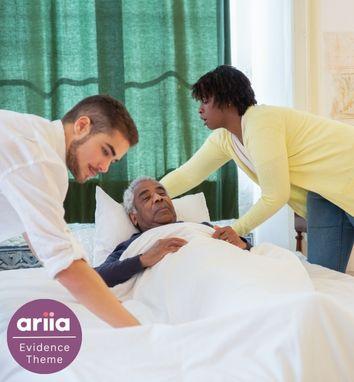
Palliative care and end of life: Death of place
Dying in one’s place of choice is associated with increased satisfaction with end-of-life care. A person may prefer dying in their own home, an aged care residential facility, or a hospital. This resource from ARIIA is a short easy-to-read summary of the research evidence.

Responding to the person: Dementia behaviour support and beyond
Discover how Dementia Support Australia is actively delivering behaviour support services throughout Australia, in partnership with both caregivers and care providers. Feedback is an important part of shaping how support is delivered and how we respond to these programs.

Ageing with excellence: Unravelling the power of auditing to enhance quality care!
Catherine Scott explores how using both internal and external audits can help to improve standards of care and comply with Aged Care Quality Indicators and Quality and Safety Standards. Benefits for aged care services in undertaking auditing their care practice include identifying and managing risks, increasing compliance, providing verification and reassurance, demonstrating quality, and fostering positive health.

RACF residents avoid hospital with virtual ED consultations
Phillip De Bondi highlights the success of the South Australian Virtual Care Service (SAVCS) in virtually connecting Emergency Department (ED) trained clinicians with residential aged care residents and staff. Through the use of these virtual consultations, alternative care pathways have been used to help residents in avoiding admissions to the ED and receive care without leaving their homes.

Building reablement capabilities in the aged care workforce
This blog by Dr Claire Gough discusses the importance of reablement approaches in the delivery of person-centred aged care. The ARIIA Knowledge and Implementation Hub (KIH) will support the themed ARIIA Innovator training program (ITP) in August of 2023, focusing on ways to integrate reablement into aged care services.
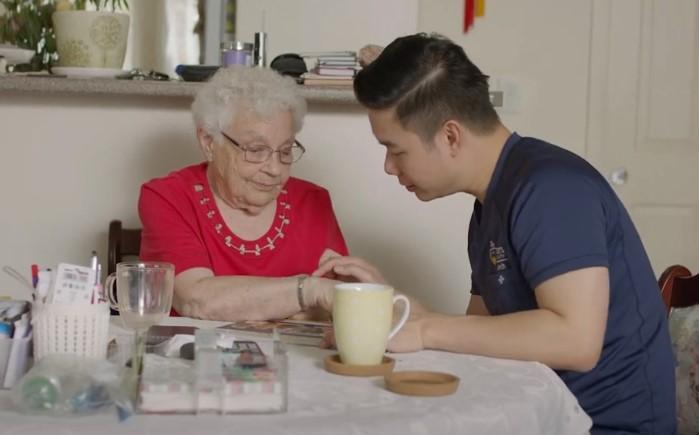
Defeating frailty: The power of a Do-It-Yourself (DIY) program
For older people, functional and emotional frailty (and pre-frailty) are associated with higher mortality and morbidity. This self-management hospital-to-home program - INDividualized therapy for Elderly Patients using Exercise and Nutrition to reduce depenDENCE post discharge (INDEPENDENCE) - is showing promising results on its preliminary effectiveness and acceptability among participants.
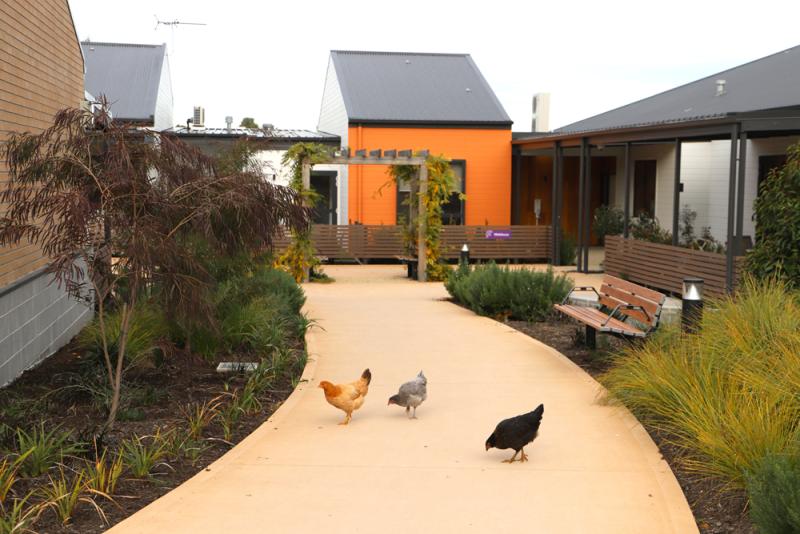
At home I can do what I like!
‘Small scale living’ or ‘household models’ of residential aged care are now proliferating across the world as an alternative to institutional models, but what are the features that make them work, what does make home, home?

Equip aged care learning packages: Promoting mental health and wellbeing
The Equip Aged Care Learning Packages from the University of Tasmania (Wicking Dementia Centre) are freely available to anyone interested in the aged care sector to help enhance knowledge and keep up to date with current practices. One of the modules is focused on promoting mental health and wellbeing, and can be accessed by enrolling in the course.

Evaluation of the PHNs’ Improved Access to Psychological Services in Aged Care Facilities initiative: Technical supplement to the final report
This is the supplement to the full report that Australian Healthcare Associates (AHA) completed for the Department of Health and Aged Care. It presents the findings of the stakeholder interviews and the surveys conducted among health professionals, providers and residents about psychological services in residential aged care facilities.